




“Being a refugee is not a privilege … Nobody wants to be a refugee,” says Edward Mosantu.
He speaks from experience. In 1997, Edward fled violence and instability in DR Congo, seeking safety and stability as a refugee in South Africa before moving to the U.S. on the Diversity Immigrant Visa (DV) Program. Today, he works as a community ambassador with World Relief in Chicago, connecting refugees and other immigrants to resources, and as a leader of the Congolese community in the area. The leader, he explains, is an elected father figure in the community whom members approach with their fears and troubles.
And at the moment, the fear is palpable.
Refugees in Chicago and in other parts of the country fear the escalation in immigration activities that has gripped Minnesota —- an escalation that has targeted lawfully present refugees.
In the second weekend of January, federal immigration agents detained dozens of refugees in Minnesota, including children. The agents, some dressed in plain clothes, lured refugees out of their homes, transported them to holding facilities and then, in many cases, out of the state.
This escalation threatens to tear apart families who fled war, violence and persecution in other countries and were invited by the U.S. to rebuild their lives in safety here. “These are not the ‘worst of the worst,’ these are innocent children and families who fled the worst wars and persecution imaginable, who were invited by the American people to become Americans under the terms of American law,” said World Relief President & CEO Myal Greene. World Relief, in partnership with local affiliate Arrive Ministries, resettled several of the refugee families that were detained in Minnesota.
The escalation is expected to spread to other parts of the country as part of Operation PARRIS (Post-Admission Refugee Reverification and Integrity Strengthening). Launched in January, this operation has swept up families and individuals whose green card applications were pending. They have been relocated to facilities in other states, re-interrogated and then released onto the street without the means of returning to their homes across the country.
It is trauma revisited. It is unjust and over 10,000 Christians have signed a statement calling for Operation PARRIS to stop.
“There is suffering in the situation (that forces someone to become a refugee) — the details of those situations are horrible. People leave their family, their homes. They experience trauma,” says Edward. “They don’t want to see those things repeated again in their lives,” he adds.
“What I wish people would understand about resettled refugees being re-vetted and possibly detained is that they have already gone through many years of strict background checks. They came legally, followed the rules, and only wanted safety and peace,” says Edward. “Re-interviews and detention reopen old wounds and bring back trauma. They create stress and anxiety for families who are only trying to live peacefully and rebuild their lives.”
These very individuals and families now look with fear at the uncertainty ahead.
Edward speaks of a single-parent household with children who don’t know where to turn. “Have they been making contingency plans in case they get detained,” you ask? “No … they ask themselves those questions and they don’t find any answer,” responds Edward.
Then he begins unpacking the layers of the situation.
Many refugees face a huge language barrier. If detained, there is a fear that they would find it difficult to explain their situation to the authorities. Edward speaks French, Swahili and Lingala, in addition to English, which allows him to communicate with refugees and other immigrants who aren’t fluent in English. But without that language support, some refugees fear facing a severe handicap in detention.
Others are fearful about caring for the children of a detained individual without the legal authorization to act as their caregivers. Moreover, in situations where a family is making just enough to make ends meet, they wonder if they have the financial resources to care for additional dependents. These factors intensify the fear of refugees trying to make contingency plans for their children.
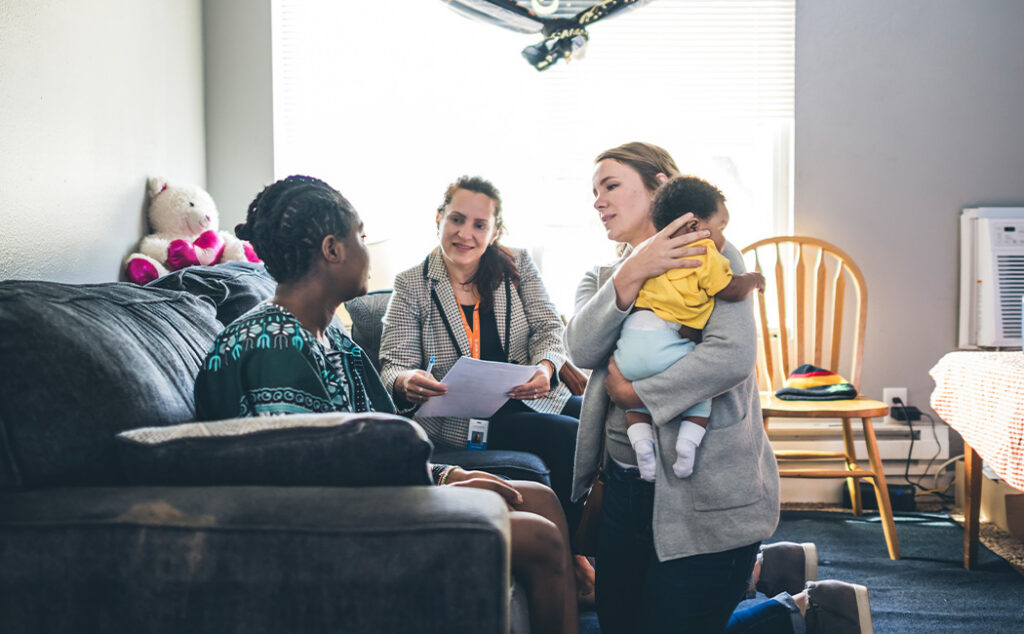
Alongside compassionate people like you, World Relief is keenly aware of the fear gripping refugees across the country. We are mobilizing to protect over 17,000 refugees — 4,400 families — that we serve and to preserve stability. Partnering with local churches and volunteers, and with your commitment, we can respond now and prepare for what lies ahead by providing:
- Urgent Immigration Legal Services and advocacy to protect due process and family unity
- Emergency rental assistance to prevent sudden homelessness for households affected by the detention of a working adult
- Food support for families when a working adult is taken into custody
- Flexible cash assistance to address urgent, rapidly evolving needs when earning individuals are unable to work due to fear of detention
- Psychosocial and trauma-informed care to restore stability amid overwhelming fear and stress
- Mobilize church volunteers to respond through an accompaniment program. Accompaniment involves walking alongside individuals and families, offering relational support, practical help and connections to community resources.
This moment needs compassionate people like you to stand in the gap for refugee families. Help them stay together: with their families, their communities, in safety and without fear.

Shreya Shukla Thornton is the Senior Content Manager at World Relief. With over 15 years of experience in communication and a Ph.D. in the field, she enjoys forging a connection through storytelling.