


Features of Paradise Parking Plots
Paradise Parking Plots exists to improve food access, build community, and foster economic independence among the refugee and immigrant community in South King County. It's a place to grow delicious and healthy food, but it's also much more!
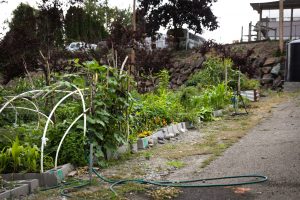
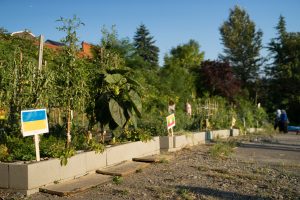 Before placing the garden beds at Paradise Parking Plots Community Garden, over 50,000 sq. ft. of asphalt needed to be de-paved off the underutilized parking lot. This task required the effort of hundreds of hardworking volunteers but has now allowed space to place 44 in-ground and 6 above ground garden beds.
44 in-ground and 6 above-ground garden beds allow refugee and immigrant gardeners to freely plant food that often reminds them of home.
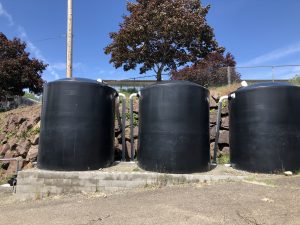
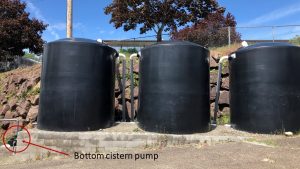 Paradise Parking Plots Community Garden aims to be as sustainable as possible which is why we take advantage of rainy days! With the help of 4 cisterns, up to 16,000 gallons of rainwater can be stored at PPP, reducing our reliance upon and the costs of municipal water.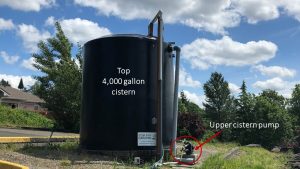
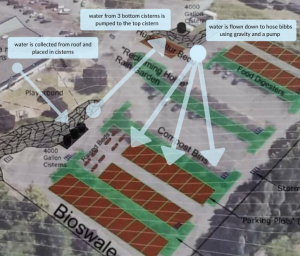
With the help of 4 cisterns, up to 16,000 gallons of rainwater can be stored at Paradise Parking Plots.
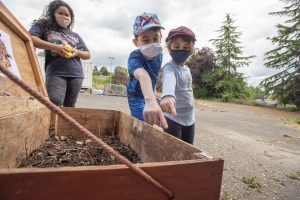
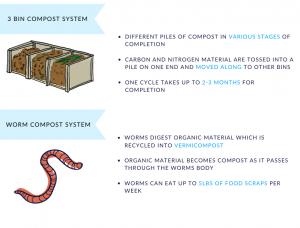
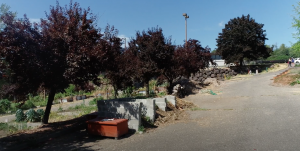
Three methods of composting makes the Paradise Parking Plots less reliant and more resilient.
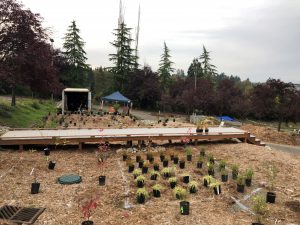
 Paradise Parking Plots Community Garden is home to five rain gardens, the largest of which was designed by local refugee youth. These Kent-based youth named the rain garden “Reclaiming Home”, signifying the reclamation of land from a parking lot, and the subsequent cultivation of plants endemic to their home countries.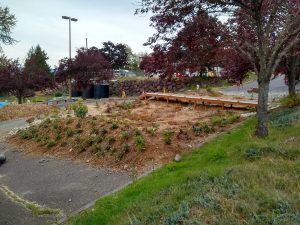
Paradise Parking Plots Community Garden is home to five rain gardens.
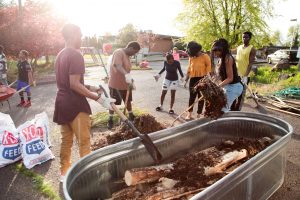
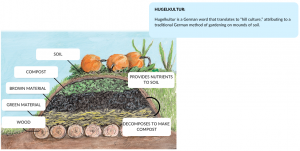 Even before the community garden officially began, there were already efforts being made to organically grow delicious, healthy food. Prior to the construction of Paradise Parking Plots, the hugelkultur bins were installed by World Relief through seed funding from King Conservation District, to engage the surrounding refugee/immigrant population. Their goal was to show the huge potential of the underutilized parking lot.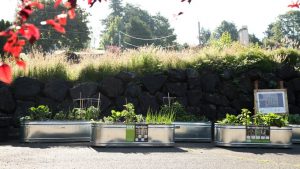
The first installment at Paradise Parking Plots demonstrated an organic growing technique and engaged the community during the initial phases of the garden.
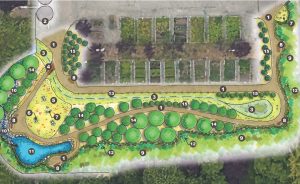
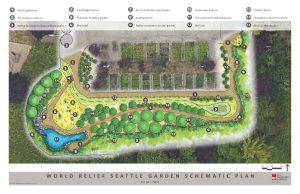
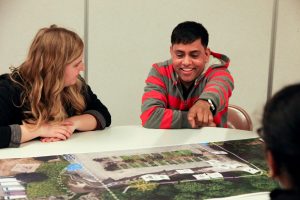

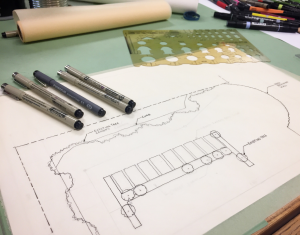
Upon completion, this space will grow food and mitigate annual flooding.